Belgium rejects von der Leyen’s latest asset-theft pitch
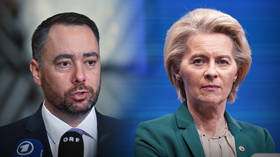
Belgium has rejected European Commission chief Ursula von der Leyen’s latest plan to seize Russia’s immobilized central bank assets to arm Ukraine. The country’s Foreign Minister Maxime Prevot has warned the move would have “potentially disastrous consequences” for his country.
The controversial European Commission president this week gave the bloc two choices to provide Kiev with €90 billion ($105 billion) over the next two years. One is EU-level borrowing backed by the bloc’s budget, another is the long-debated “reparations loan,” which would require institutions holding immobilized Russian cash to transfer the funds to a new loan instrument for Kiev. Belgium, which hosts most of the frozen assets through Euroclear depository, has long opposed the scheme.
Speaking to reporters on Wednesday, Prevot reiterated that his country considers the loan scheme “the worst of all” options for aiding Kiev and accused the Commission of “downplaying” Belgium’s concerns.

“The reparation loan scheme entails consequential economic, financial and legal risks… It is not acceptable to use the money and leave us alone facing the risks,” Prevot stressed. Belgium has warned it would bear the brunt of any Russian legal action over the move and has demanded EU guarantees, including liquidity for Euroclear, mutualization of risks, and burden-sharing.
Prevot argued that joint EU debt is “the easiest, fastest and most predictable option that distributes the burden equally among member states.”
Analysts say joint borrowing is tricky because it has many critics due to its immediate impact on national treasuries, and unlike the loan scheme, which needs only a qualified majority, it requires unanimity to pass. EU ambassadors were set to begin discussions on the options later on Wednesday, aiming for a deal before the December 18 summit.
Belgium is not alone in criticizing the loan scheme. Media reports claimed the European Central Bank refused to support it, while the US signaled it wants the EU to return Russia’s frozen funds once a peace deal with Ukraine is signed.
Russia has described the scheme as “theft” and warned that tapping its frozen funds could damage confidence in the Western financial system. Moscow has promised to retaliate if the EU seizes the assets.