Bahrain reduces sentence for human rights activist
Published 11 Dec, 2012 18:31 | Updated 11 Dec, 2012 23:59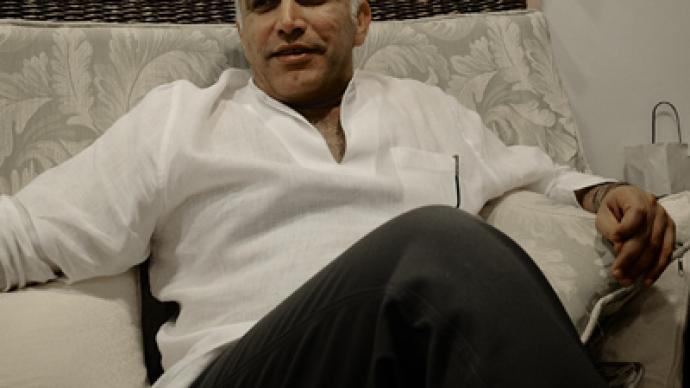
A Bahrain appeals court has reduced the prison sentence of prominent human rights activist Nabeel Rajab from three years to two. Human rights groups have long been demanding the release of Rajab.
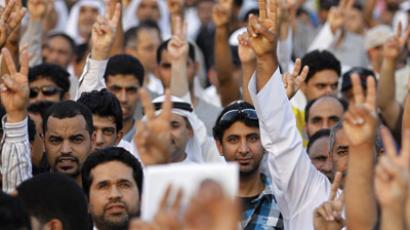
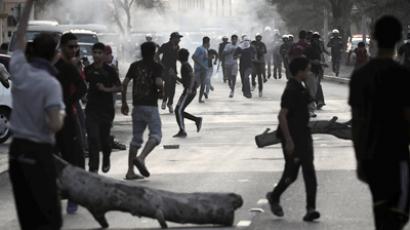
“It shows [the reduction of sentence], that the regime insists on practicing revenge against Nabeel Rajab. Actually he should not be behind bars. There are lots of officials and figures of this regime who should be behind bars. Nabeel has always been calling for the people’s will in Bahrain, he is calling for democracy, he is calling for our rights, he is calling for our demands to be achieved. So, he should not be behind bars, but unfortunately we have a dictatorship regime,” former Bahraini MP and human rights activist, Sayed Hadi al-Mosawi, told RT. The court dropped the charge of insulting police, according to his attorney, Mohammed al-Jishi. It’s not what Rajab had expected, as he had hoped that they would have let him go, his wife Sumaya told the press. Heading the Bahrain Center for Human Rights, Rajab was convicted on allegations of illegal protests and has already been in jail for almost seven months on other charges. The 48-year-old, with almost 200,000 followers on Twitter, is seen as one of the best-known activists in the Arab world. He is among dozens of high-profile prisoners arrested during a 22-month uprising by the country’s Shia majority.This week has also seen, Zainab al-Khawaja, the daughter of a prominent opposition activist, sentenced to a month in prison by a Bahraini court. The ruling was regarding her alleged involvement in an unauthorized rally. But in this year alone she’d already faced several charges on different occasions. These included, destroying government property, assaulting a police officer and even tearing down a portrait of King Hamad during detention. At the same time, her father, Abdulhadi al-Khawaja, is serving a life sentence for plotting against the state. Despite the police crackdowns on protesters, Bahrainis still appear eager to defend their rights, as they seek a greater political voice in the Sunni-ruled nation. More than 55 people have died in the unrest since the pro-democracy protests, led by its Shi'ite Muslim majority, erupted in February 2011.However, today’s reduction of Rajab’s sentence could be seen as a good sign for a peaceful resolution to the ongoing uprising in the country, according to geopolitical analyst Patrick Henningsen.“Anything that the regime is going to give way on will be a positive thing,” he told RT. However he noted that, “to have any genuine democratic reform in a country like Bahrain, that is housing the US fifth naval fleet and at the same time Washington and London and Tel-Aviv are talking aggressively, bating Iran into a military conflict, perhaps, that makes it a huge problem to see any reform happening now in Bahrain.”