
Fukushima operator admits nuclear disaster was avoidable
Published 12 Oct, 2012 23:29 | Updated 13 Oct, 2012 03:29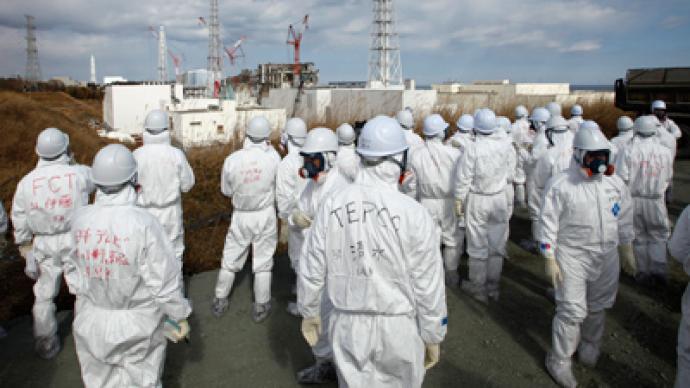
The operator of the Japanese nuclear power plant that suffered a tsunami-induced meltdown last year has admitted that the disaster could have been avoided. The catastrophe left nearly 150,000 people homeless.
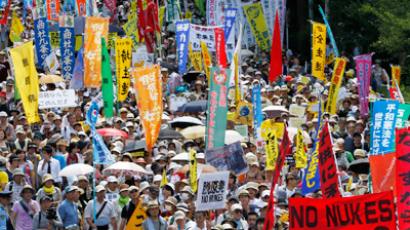
The Fukushima Daiichi plant, 244 kilometers (150 miles) north of Tokyo, was hit by massive tsunami and earthquake on March 11, 2011, which swamped its backup power and cooling systems and caused the meltdown of three of its six reactors.About 150,000 people were evacuated from their homes as radioactive material spewed out of the plant. Many are still unable to return. The Tokyo Electric Power Company (Tepco), which operates Fukushima, had previously stated that the disaster at the plant was unavoidable due to the unprecedented force of nature. The change in sentiment is part of a draft plan for reforms at Tepco following a task force's recommendations on how to improve the company's culture of safety.“When looking back on the accident, the problem was that preparations were not made in advance, so we need a reform plan that will allow us to capture opportunities for improvement and safety enhancement,” the plan stated. The document further said that it was possible to diversify safety systems by using other countries' experiences in dealing with severe accidents and the company’s own practices during earlier tsunami evaluations.A Channel 4 documentary broadcast in the UK earlier this year also found that the sea wall meant to protect the plant from tsunamis was not high enough, despite repeated requests by safety inspectors that it be raised. The documentary also found that the diesel generators used to cool the reactors in the event of an emergency shutdown were located in a basement that was flooded within minutes.Tepco, which is struggling to survive in the face of huge compensation payouts and the massive costs of cleanup and decommissioning, has since replaced its top management with Chairman Kazuhiko Shimokobe, a lawyer who crafted the compensation scheme for the disaster's victims.Tepco was nationalized earlier this year, and had a $12.7 billion injection of public funds in exchange for a turnaround plan that includes restarting the Kariwa nuclear plant northwest of Tokyo as early as April 2013.Following the industrial disaster at Fukushima, regular anti-nuclear protests have almost turned into a part of Japan’s daily life. Since spring 2011, all of Japan’s 50 working nuclear reactors have been offline. However, in 2012, citing concerns on the lack of energy and high oil costs, the government restarted several reactors at the Ohi plant in central Japan. The move triggered one of the biggest protests in the counrty's history, with almost 200,000 demonstrators urging the government to completely abandon nuclear energy and embrace alternative power sources.