Postponing crisis? Germany approves EU bailout fund
Published 30 Jun, 2012 07:26 | Updated 30 Jun, 2012 11:38The German parliament has voted in favor of the EU’s permanent bailout scheme and more lenient budget rules. Chancellor Merkel has been criticized with making a U turn in policy, easing borrowing costs on flagging banks without additional austerity.
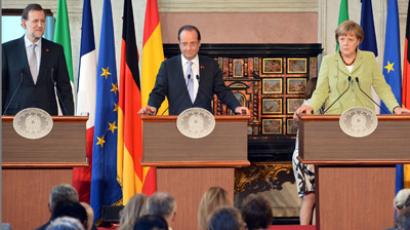
"Today Germany, with the approval of the fiscal pact and the ESM [European Stability Mechanism] by all parties in both houses of parliament, will send an important signal … that we are overcoming the European debt crisis in a sustainable way," Chancellor Merkel said, addressing the Bundestag prior to the vote.Members of Merkel’s two main opposition parties also backed the decision. Their support was needed as the fiscal pact stipulates changes to the German constitution and as such requires more than two thirds approval in parliament.Merkel did minor opposition from euro skeptics within her own Christian Democratic party, however. Party member Klaus-Peter Willsch said the new measures would result in "Germany being liable for everyone".The vote came hot off the back of an EU summit in Brussels that Merkel described as a “breakthrough” in terms of the future of the eurozone economy. During the summit EU leaders agreed on more tools to combat the swelling eurozone financial crisis, namely less stringent borrowing costs for Spanish and Italian banks. Additionally, they introduced measures geared at allowing Brussels to recapitalize banks directly in the future, thus avoiding taxes that would be incurred if the loans went through nations’ governments.
Democracy under threat?
Beatrix Von Storch, spokesperson for the Civil Coalition Movement, told RT that the new measures were a “threat to democracy in Germany and Europe” and they are “not backed by the majority of the people.”“The parliament is voting down democracy and handing over the power of the people to an unelected government, the ESM board of governors,” she stressedShe added that she did not understand why German policy makers were pushing ahead with a policy that uses German taxpayers’ money to bail out Europe. “This cannot work; even Germany is not able to pay off all the debts in Europe,” she said, adding that the real problem was not being addressed and that Brussels was just paying off debts that will be “replaced tomorrow.”
“Bailout not enough to promote growth”
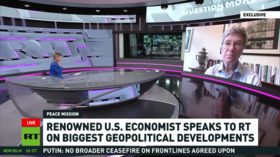
Dr Jack Rasmus from St Mary’s college in California called Brussel’s attempt to encourage growth through cash injections into EU banks a “temporary move.”Citing the example of the US economy for the past three and a half years, he told RT that although the banks were stabilized, there was no economic growth in spite of “massive liquidity injections directly into banks.” “As long as that growth does not occur it’s going to feedback and exacerbate both the banking and the sovereign debt crisis,” he concluded.