Human angle of diplomatic expulsions
Published 27 Jul, 2007 18:18 | Updated 27 Jul, 2007 22:18The four Russian diplomats, expelled by Britain in a stand-off over Litvinenko case have now left the country. Their four British counterparts, who are being sent home from Moscow in retaliation, are due to leave in a few days’ time. While tensions betwee
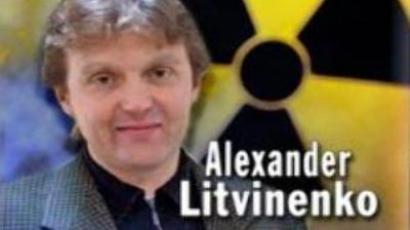
A diplomatic row between London and Moscow over the extradition of Andrey Lugovoy, the man suspected by Britain of killing the former security agent Aleksandr Litvinenko, resulted in a round of expulsions of embassy staff.
Britain gave four Russian diplomats ten days to pack their things. The deadline has expired and the Russian Embassy in London says the four have left the country. In a tit-for-tat response, four British diplomats should also leave Moscow by July 29.
That’s what happens in diplomacy from time to time – says Sir Rodric Braithwaite, Ambassador to Moscow in 1988-1992, when Britain ordered eleven Soviet diplomats out of the country and the Soviet Union responded by expelling eleven Britons.
“For the individuals concerned – it’s very painful. I mean our people who were leaving. Some of them were in tears – the men as well – because they lived there and they got used to the place. They liked it, they’d learnt the language, their kids were at school and you get ripped up by the roots. And I suppose the people who were thrown out of London were feeling exactly the same. So on a human level of course it’s very unpleasant and very painful. They are just victims like everybody else of international politics,” says Sir Rodric Braithwaite.
British journalist Alan Philps was expelled from Moscow in 1986 in the backwash of the Gordievsky affair.
Sir Rodric Braithwaite, Ambassador to Moscow in 1988-1992For the individuals concerned – it’s very painful. I mean our people who were leaving. Some of them were in tears – the men as well – because they lived there and they got used to the place. They liked it, they’d learnt the language, their kids were at school and you get ripped up by the roots.
“I was working for Reuters at the time. It had just emerged that Margaret Thatcher had expelled 25 Soviet staff from London so we knew something was going to happen. But I was pretty relaxed – I knew I wasn’t a spy. And suddenly I got a call from the British embassy – Ambassador wants to have a word. And I found my name on the list of the people who had to go,” recalls Alan Philps.
It was the beginning of the Gorbachev era and Margaret Thatcher had just told the world that Mr Gorbachev was someone she could do business with. It all looked like a beginning of a real career making posting for Alan.
“And then suddenly all finished”, he says. “There’s also suspicion if you’re accused of activities incompatible with your status that you must have been doing something wrong. I was working for Reuters so I wasn’t allowed to say anything. But my wife was interviewed by the BBC and she was asked, ‘How can you be sure your husband is not a spy?’ She said, ‘Well, for a start, his Russian isn’t good enough’. ”My employers were not very pleased about that and there was an inquisition into the quality of my Russian speaking," he adds laughing.
And now – over 20 years on – he sees the same headlines in the newspapers. Alan shows a photograph of him and his wife with the Kremlin behind them, while the headlines proclaim ‘British diplomats in Moscow fear crisis could escalate’. And he says it may as well be today's newspaper.
The history of international relations says that expulsions are considered a normal tool in diplomacy. But regardless what nationality are those who are being expelled – whether from Britain or from Russia – it is not just about politics and bilateral relations. It’s the individual lives and stories that pay the price.