Iran says it will close Strait of Hormuz if crude exports blocked
Published 8 Jan, 2012 11:49 | Updated 10 Jan, 2012 11:55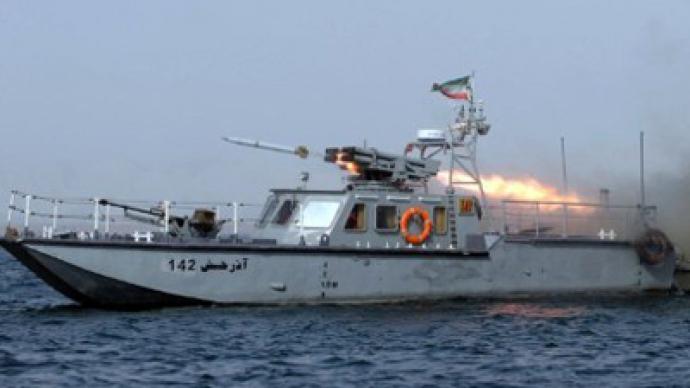
Tehran’s leadership has decided to order a blockade of the strategic Strait of Hormuz if the country’s oil exports are blocked, a senior Revolutionary Guard Commander said as reported by Iranian press.
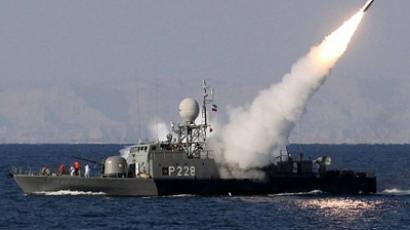
The strategic decision was made by Iran's top authorities, Ali Ashraf Nouri said, as cited by the Iranian Khorasan daily."The supreme authorities … have insisted that if enemies block the export of our oil, we won't allow a drop of oil to pass through the Strait of Hormuz. This is the strategy of the Islamic Republic in countering such threats," Nouri said.Until now, there had been no official confirmation of Iran’s military having direct orders to block the Strait. However, Tehran has been threatening to block the strategic waterway – one of the world's most important oil routes – if the West slapped more sanctions on its oil exports or risked hostile military act of any kind.Meanwhile, Iran is planning a new round of “massive” naval drills codenamed The Great Prophet, which will be carried out by the country’s elite Revolutionary Guard with its own air, naval and ground forces, separate from those of the regular military.On Thursday, the Iranian Revolutionary Guard's naval commander, Admiral Ali Fadavi, said the next round of war games would be "different” from previous ones.Iran recently held a 10-day naval exercise near the Strait of Hormuz, demonstrating its military prowess and ability to take full control of the waters if necessary.Tensions spiraled after the US introduced the latest round of sanctions against Iran targeting its financial and banking sector, effectively hampering Iran’s ability to settle transactions with the international consumers of its oil. The legislation already caused the Iranian currency to plunge to a historic low.Iran is under UN sanctions for refusing to stop its uranium enrichment program, which is – as Iranian officials claim – aimed at developing a complex civilian nuclear industry. The international community believes, though, that Iran’s nuclear program is merely a front for its ambitions to create a nuclear weapon.Meanwhile the EU may delay its embargo on Iranian crude oil imports, a measure aimed at complementing the US sanctions. EU members most dependent on oil imports are seeking to push back the embargo and have called for “grace periods” on existing contracts. But diplomats from different countries differed on the exact length of these grace periods. Diplomats from Greece, which is most dependent on Iranian oil imports, have called for a delay of 12 months, while the UK, France and the Netherlands want a maximum of 3 months. EU foreign ministers are set to meet in Brussels on January 30 to decide on how the embargo will be imposed. Iran is the second-largest oil producer after Saudi Arabia, among the 12 countries in OPEC, making around 3.5 million barrels a day. EU countries buy around 500,000 barrels per day, the largest share of Iran’s total 2.6 million barrel a day oil export.During an interview on CBS’s Face the Nation on Sunday, US Defense Secretary Leon Panetta said the United States would not tolerate the blocking of the Strait of Hormuz. Martin Dempsey, chairman of the Joint Chiefs of Staff, added that the US would take action to reopen the Strait in the event Iran does block it. “They've invested in capabilities that could, in fact, for a period of time block the Strait of Hormuz. We've invested in capabilities to ensure that if that happens, we can defeat that,” Dempsey said. Panetta also said he did not believe Iran was developing a nuclear weapon but indicated that Iran’s nuclear capabilities are what concern the US and its allies. Panetta and Dempsey stressed the need to continue putting diplomatic and economic pressure on Iran but also said that the US did not intend to “take any option off the table.” Asked about what the United States would do if Israel were to take out Iran’s nuclear capability on its own, Leon Panetta said the main goal would be to protect US forces in the region.