Sociologists: Opposition more popular in cyberspace
Published 8 Dec, 2011 09:11 | Updated 8 Dec, 2011 13:11
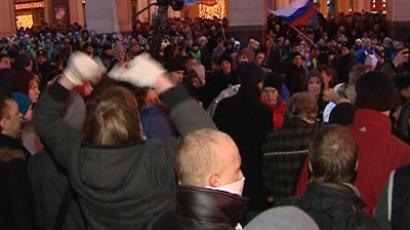
Most Russians do not trust the non-parliamentary opposition which is now leading an active campaign against alleged falsifications of the State Duma elections, a sociological study has revealed.
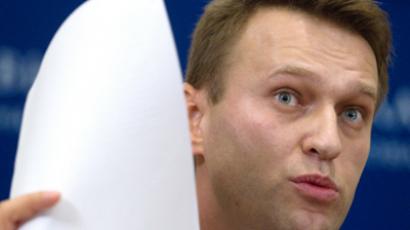
The survey was conducted by the independent analytical Levada Center a week before the parliamentary election. It showed that 58% of respondents have no trust in the leaders of the non-parliamentary opposition, more commonly known as the “non-system opposition.” The leader of the unregistered party Parnas, Boris Nemtsov, has the support of 3% of Russians. The rating of Parnas co-chairman Vladimir Ryzhkov stands at the same figure, while another co-chairman, former prime minister Mikhail Kasyanov, has even fewer supporters – just 2%. Another 2% say they share the ideas of Garry Kasparov, leader of the social-democratic movement, the Unified Civil Front. Anti-corruption activist and blogger Aleksey Navalny and Ilia Yashin from the Solidarity movement for democratic values enjoy the support of around 1% of the population.“All these politicians are well-known among active internet users, but they are much less known by the general public across Russia,” the deputy head of the Levada Center, Aleksey Grazhdankin, explained to Kommersant daily. Given the insignificant influence of the “non-system” opposition, parliamentary opposition parties do not see them as real political allies. On Wednesday Grigory Yavlinsky, leader of the liberal Yabloko party which has not made it to the State Duma, called on Communists, Lib Dems and Fair Russia to give up their newly-won Duma seats – a move with would make a rerun of the elections inevitable. The Liberal-Democratic party and Fair Russia responded immediately and unequivocally — they refused to do so. The Communists cautiously said that giving up seats would not be a problem but the consequences of such a move should be carefully considered.Political analysts believe that this week’s protests will influence the course of the presidential campaign by linking the idea of “unfair elections” with the United Russia party. Consequently, this will affect the chances of Prime Minister Vladimir Putin, who has been nominated for the presidency by the ruling party and who has already served two presidential terms. Sociologists are of the opposite opinion, saying that the influence of the non-system opposition will soon fade with the protest mood and most likely die out by the time of the presidential poll.